How to make a good profile picture for X / Twitter from one photo
X is unusually harsh on profile pictures because people rarely stop to inspect them. They see them in the feed, in reply stacks, in mentions, and in a fast scan beside short text. That makes the job different from Instagram mood or LinkedIn trust. On X, the picture has to identify you quickly.
If you already have one photo that looks like you, that can be enough. The real question is whether the image works as an avatar in a high-speed text-heavy environment. Once you know whether the account should lead with a face, symbol, or pseudonymous identity, OutSence can help you compare a few stronger directions from one source image.
X rewards fast recognition over subtle polish
A weak X profile picture is often not a bad portrait. It is just too slow. The face is too soft, the crop is too wide, or the styling depends on details that disappear the moment the image sits beside dense text and other avatars.
That is why a good X profile picture usually feels simpler than people expect. It does not need to be boring, but it does need to read fast. If the account lives in public conversation, your picture has to help people recognize you before they decide whether to read the post.
Turn one photo into an X avatar that reads fast
If you only have one usable photo, build around speed and clarity:
- Choose the photo that already has the clearest face or shape. X does not reward images that need inspection.
- Set a crop that removes hesitation. In OutSence Create, frame the image so the central identity reads immediately.
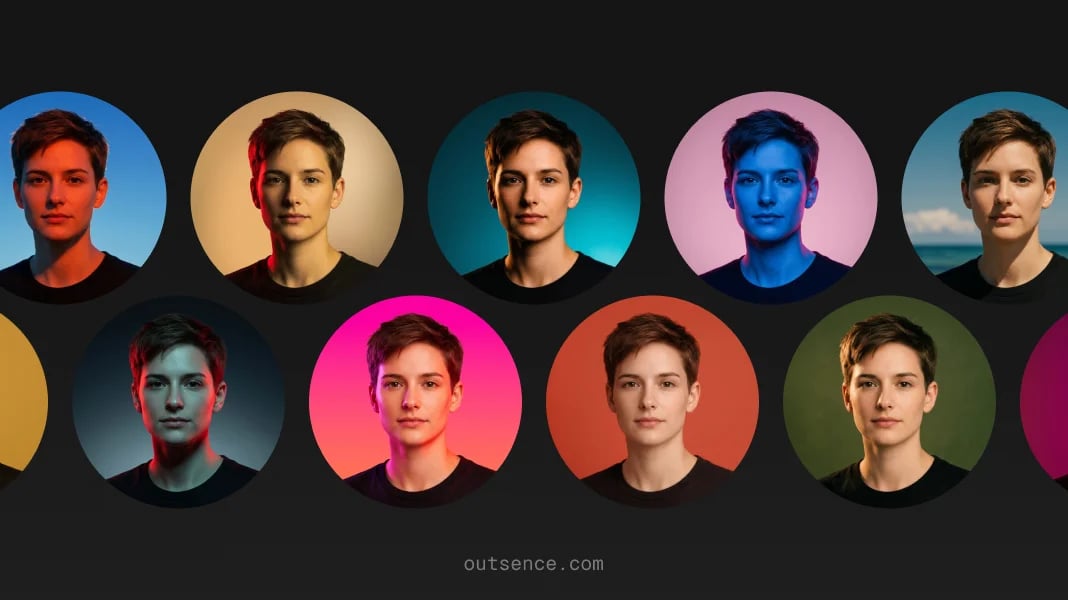
- Pick styles that simplify rather than complicate. Clean contrast, clear face structure, and steady color usually work better than delicate mood.
- Compare the versions as avatars beside posts. Keep the one that still feels recognizable without any extra context.
- Choose the image that survives scrolling. On X, the best profile picture is often the one people can process almost instantly.
Choose differently for a real-name expert pseudonymous account or brand
For a real-name expert account, a face is usually the strongest choice. Readers are learning to associate your name, your opinions, and your public voice with a recognizable image.
For a pseudonymous or commentary account, a face is not always best. A symbol, illustration, or stylized identity marker may fit better if the account itself is meant to be persona-led rather than person-led. On X, honesty about the identity mode matters more than trying to force a real portrait onto every account.
For a brand account, a logo or mark is often the better answer. The right profile picture is the one that supports account recognition, not the one that looks most like a portrait.
Quick X scan test
Before you keep the final version, test whether it can survive the way people actually use X:
- Feed speed: does the image still read quickly while someone scrolls?
- Reply stacks: does it stay recognizable beside short bursts of text and many other avatars?
- Mentions: does it still feel like your account in notification-heavy contexts?
- Dark mode: does the image hold up against X’s darker UI environment?
- Identity honesty: if the account is really symbol-led or pseudonymous, are you choosing that instead of forcing a face?
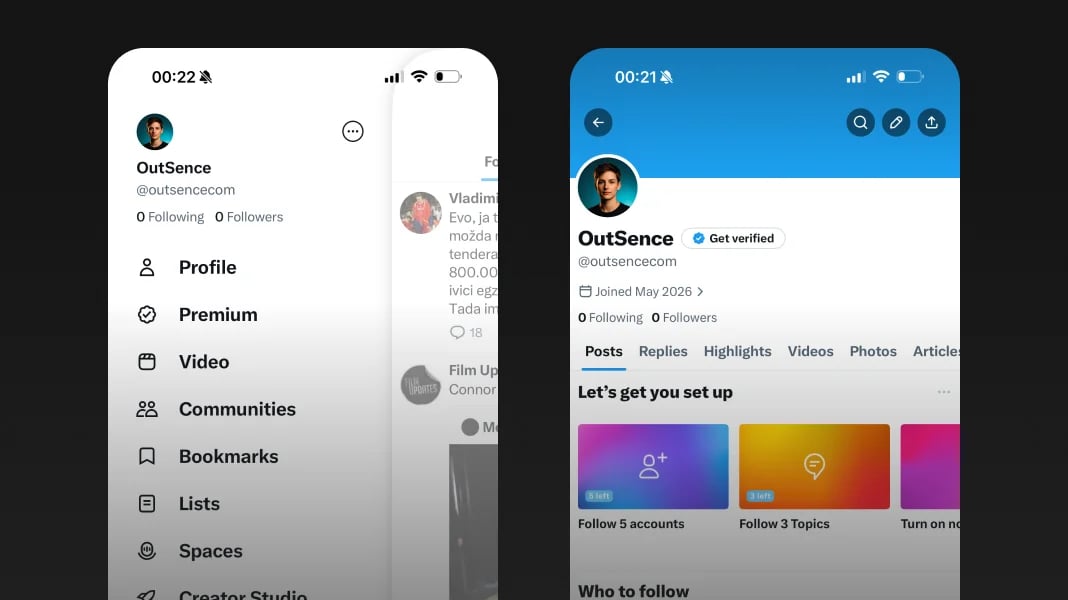
X treats the profile photo as the image next to each post
Verified on April 22, 2026
X’s glossary defines the profile photo as the personal image, or avatar, associated with your account, and says it is the picture that appears next to each of your posts. X also recommends 400 × 400 dimensions for profile images, supports JPG, GIF, and PNG, and sets a 2MB maximum file size. The practical takeaway is that your source image should start clean and square, because the platform is going to use it constantly in small public contexts. That is why a clean 1024 × 1024 source generated from one photo in OutSence is useful here: it gives you more room to crop and simplify before X reduces the image to avatar scale. Source Source Source
When OutSence helps on X
OutSence helps most on X when you already know the account should use a real face, but the current photo is not reading fast enough. The product is useful for comparing several cleaner, more avatar-ready versions from one source image and keeping the one with the strongest public recognition.
If your account is better served by a mark, symbol, or intentionally stylized identity, say that honestly and use it. But if the right answer is a face-led avatar, start in OutSence Create, then compare the results in your OutSence gallery and keep the version that works best at speed.
Related guides
If your next problem is fit and readability, continue with How to make your X / Twitter profile picture fit and stay clear. If you want broader comparison ideas, read Best profile picture for X / Twitter — photo ideas and examples. If you need the technical reference page, go to Profile picture for X / Twitter — size, crop, file format, and photo best practices.
FAQ
What kind of photo works best for X?
Usually the one with the clearest, fastest identity signal. On X, recognizability matters more than portrait nuance.
Should a pseudonymous X account use a face?
Not always. If the account is truly persona-led or symbol-led, a non-face identity may be the more honest and effective choice.
Why do some good photos fail on X?
Because they are too slow to read. X puts profile images next to fast-moving public posts and reply stacks.
When is OutSence useful for X?
When you already have one strong photo and want to compare a few cleaner, more avatar-ready face-led directions before choosing the final image.